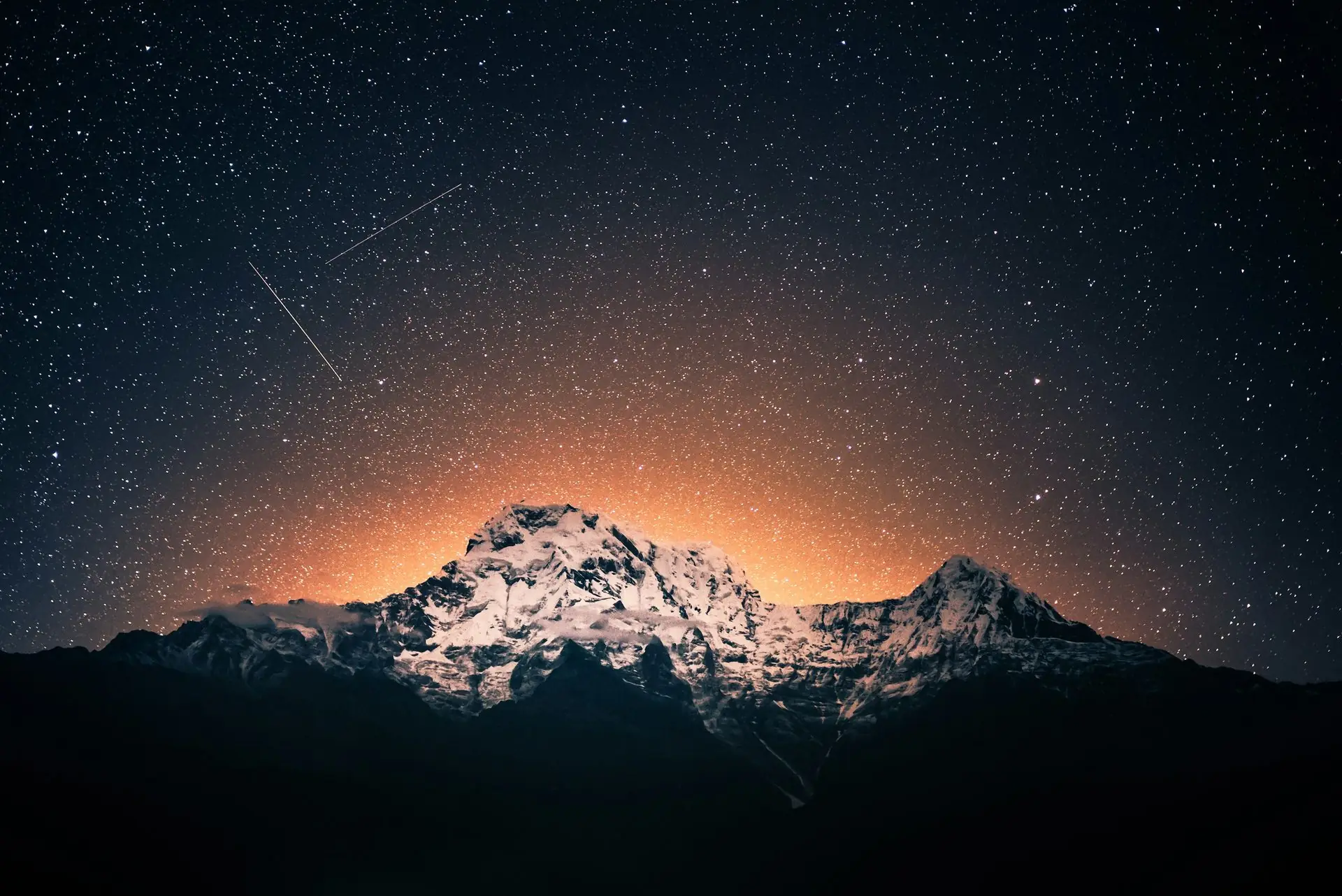
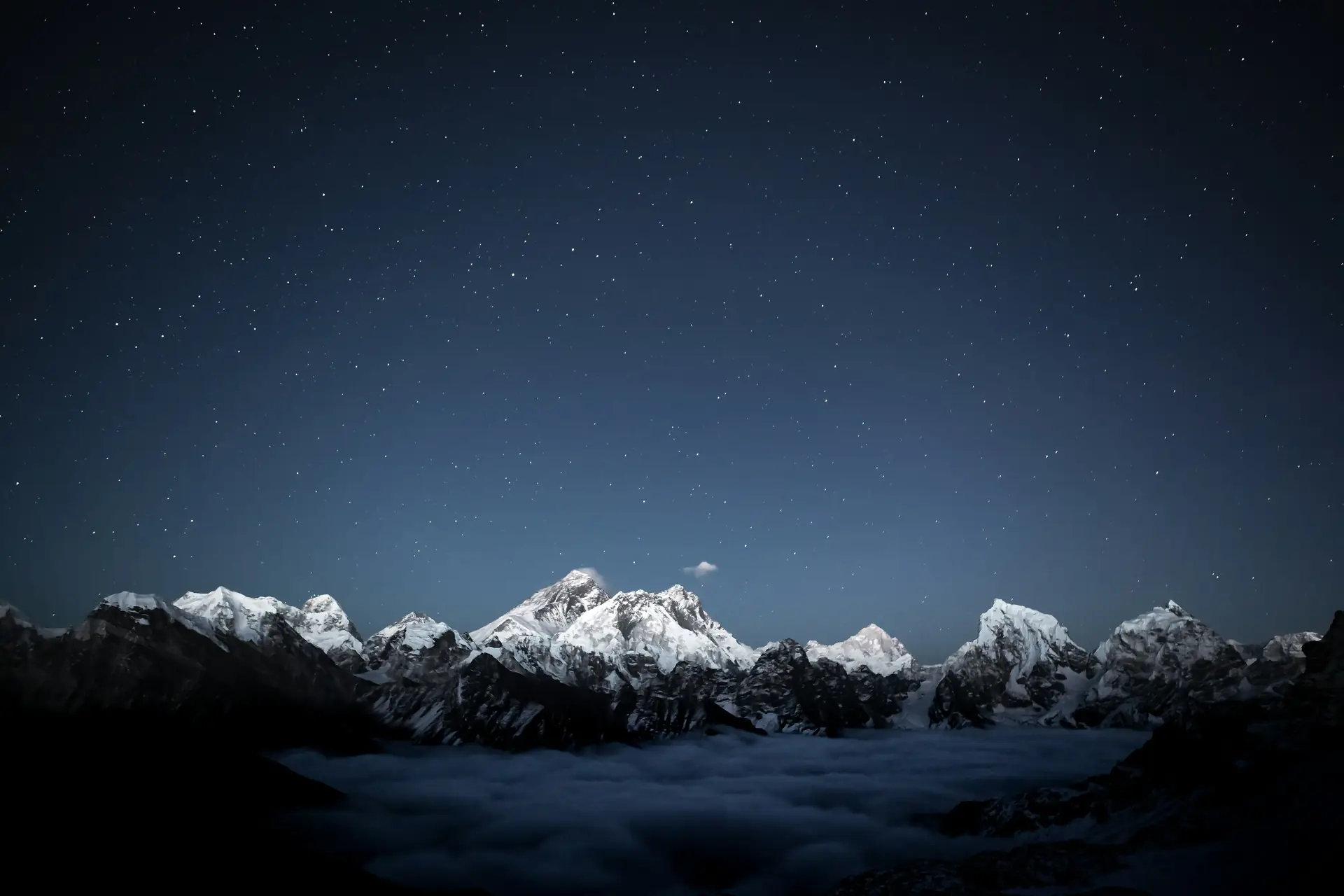
During the trails on Everest Base Camp Trek

Everest Base Camp Trek - 14 Days

14Days
5,550mMax altitude
HardDifficulty
$1,895per person

Overview

Everest Base Camp Trek - 14 Days

The 14-day Everest Base Camp trek is the standard Kathmandu-to-Kathmandu itinerary: fly to Lukla, walk to Base Camp at 5,364 m (17,598 ft), hike Kala Patthar (5,550 m), and fly out. Two acclimatization days — Namche Bazaar and Dingboche — are built in. Tea houses, a licensed guide, and permits are included. From US $1,895 per person.

Many trekkers have dreamt of leaving footprints on the world's tallest peak. That being said, the Everest Base Camp trek is the gateway to fulfilling this dream, offering the chance to create a lifetime of memories.

Trek to the World's Wonder, Everest Base Camp Trail

Everest Base Camp Trek starts with a scenic 35-minute mountain flight from Kathmandu to the little mountain town of Lukla. Lukla is where everything starts. It is the main access point to visit the Khumbu region, where you can take a day off to unwind and experience the first half of the region's mountainous beauty.

Now, get ready to walk through the steep ascent and muddy trails of the lush forest beside Dudh Koshi and cross the Hillary Suspension bridge. Spin the prayer wheel and enjoy the local children playing games and women carrying a doko full of grass for the wildlife in their homes.

After the beautiful natural charm and immersive cultural experience, the trail takes you to Phakding. There are numerous teahouses with happy faces and basic amenities that offer a place to rest. 

The cold breeze, warm smiles of majestic Ama Dablam, and the sound of the Yak Bells are part of the trail that leads you to Everest Base Camp. The trail winds through Sagarmatha National Park, a UNESCO World Heritage Site. The place is home to a diverse range of flora and fauna, making it a welcoming habitat for endangered species. 

The first highlight of the trail is the little hamlet town of Namche Bazar. This ancient town, with a touch of modern beauty, nestled in the arms of the Everest region, has a lot to offer. Wander in the lively market, visit the Sherpa museum, and enjoy breakfast with a bird 's-eye view of Everest—one of the best things to do in Namche. Aside from that, explore different cafes and try out the local and international food in the chilly climate of Namche.

As you walk the well-maintained trail, leaving behind the densely populated Sherpa community along the spinning prayer wheel, flying chorten, and the walls beautifully encrypted by Om Mane Pemba Om.

Moreover, the monasteries along the trail, such as Tengboche and Pangboche, are other places to escape unwanted thoughts, immerse yourself in a peaceful environment, and listen to the chanting of the Lamas.

After moving through the physical challenge of uneven land surface, crossing glaciers reaching above 4000m, and high mountains surrounded by peaks reaching 6000m to 8000m above. The final climax and highlight of the trial is Kalapathar, where you can lose yourself in the golden rays striking the majestic Everest and showcasing its snow beauty at sunrise and sunset. The views will take you out of this world.

Throughout the whole trekking trail, the white cheering smile and charm of Mt. Everest (8,848.86m), Mt. Lhotse (8,516m), Mt. Makalu (8,485m), Mt. Cho Oyu (8,188m), Mt. Nuptse (7,855m), Mt. Pumori (7,165m), Mt. Ama Dablam (6,812m), and Mt. Thamserku (6,623m) are one of a kind. 

Itinerary Outline:

1st Day: Arrival day in Kathmandu (1,300m/4,264 ft)
2nd Day: Fly to Lukla (2,840m/9,138ft) & trek to Phakding (2,610m/8,562ft) 3-4 hrs walk
3rd Day: Trek from Phakding to Namche Bazaar (3,440m/11,286ft) 5-6 hrs walk
4th Day: Acclimatization day at Namche Bazaar
5th Day: Hike from Namche to Tyangboche (3,860m/12,664ft) 5-6 hrs walk
6th Day:  Trek to Dingboche (4,410m/14,469 ft) 5-6 hrs walk
7th Day: Acclimatization day at Dingboche
8th Day: Trek Dingboche to Lobuche (4,940m/16,207ft) 5-6 hrs walk
9th Day: Trek to Gorakshep (5,164m/16,942ft) & hike to Everest Base Camp (5,364m/17,598ft) 5-6 hrs walk
10th Day: Early Hike to Kala Patthar(5,550m/18,208ft) & trek back to Pheriche 6-7 hrs walk
11th Day:  Trek back from Pheriche to Namche (3,440m/11,286ft) 6-7 hrs walk
12th Day: Trek Namche to Lukla (2,840m/9,138ft) 6-7 hrs walk
13th Day: Fly back to Kathmandu
14th Day: Departure from Kathmandu
End of our Services

Day In the Lap Of Everest Base Camp Trek Trail

The early morning as you wake up to the cold breeze coming straight from the world's highest Himalayan range and views of the majestic peaks right from the room. Immersing in the beauty for a while now, you freshen up and enjoy the hearty meal. Then begins walking through the steep ascent, the lush forest on the well-maintained trail. Remember, do not rush; carry on at a slow pace.

The highlight of the day is walking through appealing scenery and flapping chorten, immersing in the natural charm and Buddhist culture of the region.

As you burn off some calories now, the body needs some energy provided by the savory lunch at the teahouses. Finally, you wrap up the day after the long hour of walking, you have a night stay at the local tea houses. The night ends with a warm and light dinner and fun interaction with fellow trekkers. The local tea houses provide the basic amenities and rooms with private bathrooms.

Duration14 days
DifficultyHard
Max altitude5,550m
Start / EndKathmandu
AccommodationHotels & Tea house
Everest Base Camp Trek - 14 Days photo
  • Panoramic view of mountan
  • Sherpa culture
  • Sunrise/Sunset view from Kalapathhar
  • Tyangboche Monastery
  • Monastery
  • Rhododendron forest
Everest Base Camp Trek - 14 Days photo Everest Base Camp Trek - 14 Days photo Everest Base Camp Trek - 14 Days photo Everest Base Camp Trek - 14 Days photo

Best Season for this trip

Mar to May & Sept to Dec

Spring: Mar-May Monsoon: Jun-Aug Autumn: Sep-Nov Winter: Dec-Feb

Day by day

Unfold your journey

Everest Base Camp Route Map

Kathmandu → Kathmandu

Everest Base Camp Trek - 14 Days route map
day
1

Arrival day in Kathmandu (1,300m/4,264 ft)

20 Minutes Hotel Kathmandu Welcome Dinner
Our representative will be waiting for you in the Tribhuwan International Airport to welcome and help you to make the transfer to your hotel in Kathmandu. You will get some refreshment time which will be then followed by the welcome dinner in one of the traditional Nepalese restaurants in the center of Kathmandu. You will be given short details about the trip and then again taken back to the hotel for an overnight stay.
Arrival day in Kathmandu (1,300m/4,264 ft)
day
2

Fly to Lukla (2,840m/9,318ft) & trek to Phakding (2,610m/8,562ft) 3-4 hrs walk

20 Minutes 27 Minutes 3-4 Hrs Tea House Phakding 3 Meals
Early in the morning, we will take a picturesque flight of around 40 minutes from Kathmandu to the deadliest airport at Lukla (if weather conditions and other local factors don't result in cancellations and delays). After arriving at Lukla, we will meet the Sherpa team. You will have time to explore the city while the guide divides and sorts a load of luggage into sections that will be carried by porters. We will take a short walk to the northwest of the village of Phakding, where we will spend the night. You can spend the remaining time exploring the community to learn more about it.
Fly to Lukla (2,840m/9,318ft) & trek to Phakding (2,610m/8,562ft) 3-4 hrs walk
day
3

Phakding to Namche Bazaar (3,440m/11,286ft) 5-6 hrs walk

5-6 Hrs Tea House Namche 3 Meals
We will start our hike through the western banks of Dudh Koshi after an early breakfast. Continuing the trek, we arrive at a settlement in Monjo after we cross two of the tiny suspension bridges. A little after a few more hours of the trek lead us to Jorsalle, which is the only town before Namche Bazaar. Namche Bazaar is the capital thriving trading center of the Khumbu Region. Overnight.
Phakding to Namche Bazaar (3,440m/11,286ft) 5-6 hrs walk
day
4

Acclimatization day at Namche Bazaar & Explore

Tea House Namche 3 Meals
As we are trekking a higher elevation, we will need a certain time to adjust to the increasing elevation, hence, we will take an acclimatization day in Namche Bazaar (3,440m/11,283ft). Namche Bazaar is a beautiful location that is worthwhile exploring the neighborhood. In this place, you can buy anything from toothpicks to ice axes. Many people can shop in the Saturday market to fulfill their daily needs as there is only one retail market in the nearby areas. You can utilize your time with a short visit to the Everest View Point Hotel which offers an amazing panoramic view. You may also go back to your hotel for the night after visiting the Sherpa Museum, a terrific place to learn about Sherpa culture and mountaineering history.
Acclimatization day at Namche Bazaar & Explore
day
5

Namche to Tyangboche (3,860m/12,664ft) 5-6 hrs walk

5-6 Hrs Tea House Tyangboche 3 Meals
Early on the fifth day of the trek, we will leave the hamlet and travel up a high-level path above the Dudh Koshi, taking in breathtaking mountains along the way, including Mount Everest, Nuptse, Lhotse, Thamserku, and Kwangde. The route will then descends through a blue pine forest before we return to Phunki Thanga to bridge the Dudh Kosi (3,250m). We will ascend once more on a switchback trail that is occasionally made quite dusty by yak trains to reach the Thyangboche Monastery, a place that must be visited once in a lifetime. You can meet up with the monks and know about its history when it was destroyed by fire in 1989. Overnight.
Namche to Tyangboche (3,860m/12,664ft) 5-6 hrs walk
day
6

Tyangboche to Dingboche (4,410m/14,469 ft) 5-6 hrs walk

5-6 Hrs Tea House Dingboche 3 Meals
We will get up early and then pace up the trails that take us through the rhododendron forests and meadows to the Buddhist nunnery at Deboche before we arrive at the Imja Khola. The traverses that lead to the Makalu region and the Hinko Valley through the Sherpani Col (6,100m) are the most challenging ones on our expedition. The Island Peak and Amphu Laptsa Peak both pass through Dingboche, Chukung Col, and further still. Overnight.
Tyangboche to Dingboche (4,410m/14,469 ft) 5-6 hrs walk
day
7

Acclimatization day at Dingboche & Explore

Tea House Dingboche 3 Meals
You'll take the day off to relax before taking some extreme adventures the following day. The trek to Chhukung (4,730m), which takes about 3-4 hours from Dingboche, towards the east within the Imjatse Valley, is worthwhile if you don't want a gradual rest day. Although the trek is gradual, you can feel the thin air as the altitude gains gradually coming towards Chhukung. You may choose to take a full day off if not then there are some places where you can go for a day's walk. There aren't many teahouses in Chhukung, but those that do provide wonderful views of the glaciers and snow-covered peaks. Following a pleasant stroll, We return to Dingboche for the night.
Acclimatization day at Dingboche & Explore
day
8

Dingboche to Lobuche (4,940m/16,207 ft) 5-6 hrs walks

5-6 Hrs Tea House Labuche 3 Meals
Our journey on this day will take you to the Dughla village, over a hill where there are several memorials to Sherpas who lost their lives on Everest trips. Enjoying views of Kalar Pattar and Pumori, continuing along the Khumbu Glacier Moraine, we will travel through the difficult road to Lobuche. Overnight.
Dingboche to Lobuche (4,940m/16,207 ft) 5-6 hrs walks
day
9

Trek to Gorakshep (5,164m/16,942ft) & hike to Everest Base Camp Trek 14 days(5,364m/17,598ft) 5-6 hrs walk

5-6 Hrs Tea House Gorakshep 3 Meals
Our hike will start with a small incline at the beginning that quickly turns into a steeper ascent that lasts for about 30 minutes. Then, a descent back down will lead us to Gorak Shep, where we will be checking into our lodge, passing over the windy and rocky trail with an amazing view of Mt. Pumori, Mt. Nuptse, and other magnificent peaks. After lunch, we continue on our trip to the Khumbu Icefall and Everest Base Camp. The trail crosses through the stony dunes, moraines, and streams and continues till we reach the base camp. During the peak expedition season, most of the climbers congregate at the Everest Base Camp Trek in preparation for summiting Everest. In the base camp, we will tour the base camp and the glacier that will surround it before making our way back to Gorakshep for the night.
Trek to Gorakshep (5,164m/16,942ft) & hike to Everest Base Camp Trek 14 days(5,364m/17,598ft) 5-6 hrs walk
day
10

Early Hike to Kala Patthar(5,550m/18,208ft) & trek back to Pheriche 6-7 hrs walk

6-7 Hrs Tea House Pheriche 3 Meals
On this day, you will be climbing to the highest elevation on the trek. Your guide will be scheduling time to climb Kala Patthar(5,550m), the place that offers the most breathtaking Everest dawn views. You can get to this famous viewpoint after two hours of walking. The place will offer the greatest views of Mount Everest, Nuptse, Pumori, Ama Dablam, and the entire Khumbu Himalayan range. After admiring this magnificent sight, we will descend to Gorak Shep, have breakfast, and then turn around and travel back toward Pheriche for the night.
Early Hike to Kala Patthar(5,550m/18,208ft) & trek back to Pheriche 6-7 hrs walk
day
11

Pheriche to Namche(3,440m/11,286ft) 6-7 hrs walks

6-7 Hrs Tea House Namche 3 Meals
As we make our way to Pangboche, the trail will get primarily downhill. The highest year-round village in the upper Khumbu Valley is Pangboche. The Pangboche monastery, the oldest monastery in the area, is open for visits when we get here. You will bring wonderful memories with you as you descend the slope toward Phungithanka via Tangboche, then continue trekking to Kyanjuma, the intersection of the three routes leading to Gokyo Valley, Khumjung Village, and Namche Bazaar. The rhododendron forest contains a great view of Ama Dablam, Thamserku, Tawache, and Lhotse as well as a variety of fauna, including Himalayan Griffons, Musk deer, and wild goats. In the evening, you may tour a nearby area and take in the breathtaking environment. Stay the night at Namche.
Pheriche to Namche(3,440m/11,286ft) 6-7 hrs walks
day
12

Namche to Lukla (2,840m/9,318ft) 6-7 hrs walks

6-7 Hrs Tea House Lukla 3 Meals
After breakfast, you can walk at your leisure through the lush green surroundings, going past the amazing mountain vistas, and local Sherpa hamlet down to the Hilary suspension bridge, Lukla. Upon arrival in Lukla, your guide will confirm the details of your airline ticket, and you'll have time to explore the neighborhood before spending the night at a hotel.
Namche to Lukla (2,840m/9,318ft) 6-7 hrs walks
day
13

 Fly back to Kathmandu

20 Minutes 27 Minutes Hotel Kathmandu Breakfast & Farewell Dinner
If the weather allowed, we take an early morning flight to Kathmandu. Our guide will transport you to your accommodation. When a lengthy journey to the Himalayas ends, you may have time to unwind, catch your breath, and recover at your hotel. We will be gathering that evening for the last goodbye meal.
 Fly back to Kathmandu
day
14

Departure from Kathmandu

20 Minutes Breakfast
You will be free on the final day of the trip to start any additional adventures or activities you may have reserved with us before your departure flight or drive. You will be taken to the international airport if you are flying back home. End of our services for this trip
Departure from Kathmandu

Everest Base Camp Altitude Chart

Metres above sea level

Altitude Image Of Everest Base Camp Trek

What's covered

Inclusions & exclusions

Trip includes

  • All airport and hotel transportation in Kathmandu by private vehicle, as per the suggested itinerary.
  • Deluxe twin-sharing accommodation in Kathmandu with breakfast
  • Welcome & farewell dinner in Kathmandu (Alcoholic beverages are excluded)
  • Kathmandu to Lukla to Kathmandu by flight
  • Full board meal (breakfast, lunch, dinner, tea & coffee) during the trek
  • Seasonal fruits during the trek are provided
  • Comfortable & clean accommodation in a teahouse/lodge/tent during the trek
  • Government Registered Trek guide (English speaking, First Aid and eco trained), Sherpa porter (one porter for two trekkers)
  • All necessary paperwork, Everest region entry fee, and permits & TIMS card
  • Four seasonal sleeping bags, Nepal Vision Treks duffel bag, and trekking map ( sleeping bag to be returned after trip completion)
  • First aid exclusive medical kit bag
  • All government and local taxes

Trip excludes

  • Visa fees (You can obtain a visa easily upon your arrival at Tribhuwan International Airport in Kathmandu, so bring accurate USD cash and two passport photographs.)
  • International airfare to and from Kathmandu
  • Lunch and dinner except for the welcome & farewell dinner (and also in the case of early return from the mountain than the scheduled plan)
  • Any extra night accommodation in Kathmandu because of early arrival, late departure, and early return from the mountain (due to any reason) than the scheduled itinerary plan
  • Travel and rescue insurance

Dates & Prices

Upcoming Departures

departure

status

from

14-27 October 2026

Guaranteed

4/4 seats remaining

$1,895

join us

21 Oct - 3 Nov 2026

Guaranteed

3/3 seats remaining

$1,895

join us

Dates don’t fit? Every trip also runs privately on the date of your choice. Book a private departure.

FAQ’s

What travelers often ask

What makes the Everest base camp hike special?
The Everest Base Camp (EBC) hike is special for several reasons. Firstly, it allows trekkers to experience breathtaking views of some of the highest peaks in the world, including Mount Everest, Lhotse, and Nuptse. The trek takes you through the stunning Khumbu Valley, where you can witness the unique Sherpa culture and visit ancient monasteries. Moreover, reaching EBC at 5,364 meters (17,598 feet) provides a sense of accomplishment and connection to the history of mountaineering, as it retraces the footsteps of legendary climbers like Sir Edmund Hillary and Tenzing Norgay.
How can altitude sickness be avoided throughout the EBC trek?
To avoid altitude sickness during the EBC trek, it's crucial to acclimatize properly. This involves ascending gradually and allowing your body time to adjust to higher elevations. Plan for acclimatization days in your itinerary, particularly in Namche Bazaar and Dingboche. Staying hydrated by drinking plenty of water is essential. Besides, try to avoid alcohol and strenuous activity during acclimatization periods. If you experience symptoms of altitude sickness it's important to descend to a lower altitude immediately.
What are the age restrictions for trekking to Everest Base Camp?
There are no strict age restrictions for trekking to Everest Base Camp; however, most trekking companies recommend that participants be at least 12 years old. Younger trekkers may require parental supervision and should be physically fit. Older adults can also participate. But they should consult with a doctor before joining the trek if they have pre-existing health conditions.
Can a beginner trek Everest Base Camp?
Yes, beginners can trek to Everest Base Camp; however, it is essential that they prepare adequately. While the trek is considered moderate in difficulty, beginners should engage in physical training beforehand. Joining a guided tour can also provide valuable support and instruction for those new to trekking.
What is the trekking distance from Lukla to the Everest Base Camp?
The total trekking distance from Lukla to Everest Base Camp is approximately 130 kilometers (81 miles) round trip. The journey takes about 12-14 days, with daily distances varying due to its itinerary. The trek includes ascents and descents through various villages and landscapes in the Khumbu region.
Which Base Camp Trek is Right for You: Everest or Annapurna?
The choice between the Everest Base Camp Trek and Annapurna Base Camp Trek depends on personal preferences. The EBC trek provides iconic views of Mount Everest and a chance to experience Sherpa culture deeply. In contrast, the Annapurna trek provides diverse landscapes and a variety of ecosystems along with stunning mountain vistas. Both treks are challenging yet rewarding; consider factors like scenery preference, cultural experiences wanted, and physical fitness when making your decision.
Do I need a guide, or can I go solo?
The government of Nepal has banned solo trekking from 2023 so it is impossible to trek without a guide.
Is it possible to obtain a visa upon arrival at the airport?
Yes, travelers can obtain a visa upon arrival at Tribhuvan International Airport in Kathmandu. Most tourists are eligible for a 30-day tourist visa; however, it's better to check specific requirements based on your nationality before traveling.
What additional documents do I need?
In addition to your visa, you will need a valid passport with at least six months' validity remaining. Trekkers must also obtain permits to enter Sagarmatha National Park (the area surrounding Everest) and may require additional permits.
Can the guide speak English?
Most trekking guides in Nepal speak English; however, their proficiency may vary. It's advisable to ask about language skills before choosing a guide or tour company for effective communication throughout your trek.
What kind of weather and temperature can I expect while trekking?
Weather conditions during the EBC trek can vary significantly based on altitude and time of year. In spring and autumn, daytime temperatures at lower elevations range from 10°C to 20°C (50°F to 68°F), while nighttime temperatures can drop below freezing at higher altitudes. Expect colder temperatures as you ascend toward base camp; at EBC itself, temperatures can fall below -10°C (14°F) at night.
Who will come to pick me up at the airport upon my arrival?
Most trekking companies offer airport pickup services as part of their package. Upon arrival at Tribhuvan International Airport in Kathmandu, look for someone holding a sign with your name or your tour company's name in the arrivals area.
Can I buy a SIM card at the airport in Kathmandu?
Yes, you can purchase a SIM card at Tribhuvan International Airport upon arrival. Several mobile service providers give prepaid SIM cards that provide data services suitable for travelers.
Where can I exchange money upon arrival in Nepal?
Money exchange services are available at Tribhuvan International Airport as well as throughout Kathmandu. Banks and authorized money exchange counters provide competitive rates; it's advisable to compare rates before exchanging large sums.
Can I use credit cards in the places I visit during the trek?
Credit cards are accepted in some establishments in Kathmandu and larger towns along the EBC trail, But many teahouses and shops prefer cash transactions due to limited connectivity. It's best to carry sufficient cash for your entire trek.
How are the ATM and money exchange facilities in Kathmandu?
Kathmandu has numerous ATMs that accept international cards; however, they may have withdrawal limits or fees associated with transactions. Money exchange facilities are widely available throughout the city offering competitive rates.
How challenging is the Everest base camp trek?
The Everest Base Camp trek is considered moderately challenging due to its high altitude and varying terrain. Trekkers should be prepared for steep ascents and descents along rocky paths while managing fatigue from altitude changes. Proper training and acclimatization are essential for success.
How quickly do you walk on the EBC trail?
The pace on the EBC trail varies according to individual fitness levels and acclimatization needs. Generally ranges from 300 meters (1,000 feet) per hour on steep inclines to 500 meters (1,600 feet) per hour on flatter sections. It's important to maintain a steady pace that allows time for breaks and hydration.
What kind of physical training is necessary for trek preparation?
Physical training for EBC should focus on building cardiovascular endurance through activities like hiking, running, cycling, or swimming. Strength training targeting leg muscles helps to give stability on uneven terrain.

Good to know

Useful information

Detailed Information About Flying into Lukla

During peak trekking seasons (October to November and March to April), Lukla flights operate from Ramechhap (Manthali Airport), located 4-5 hours east of Kathmandu. During busy periods, flights may be shifted to Ramechhap as early as mid-September in the fall or May in the spring, depending on air traffic and aviation regulations. 

Baggage Allowance in Lukla Flight

When flying from Kathmandu to Lukla, the baggage allowance is 15 kg for checked luggage and 5 kg for carry-on luggage. There are certain charges if you exceed these limits. It is better to pack in bright and light colors.

Tickets & Permits

To fly to Lukla, travellers need to book their tickets in advance. The cost of a one-way ticket from Kathmandu ranges from $175 to $217, depending on the airline and booking conditions. Passengers should also carry a valid passport and printed or electronic copies of their flight tickets when travelling.

Travel insurance for the Everest Base Camp Trek

When traveling to a foreign land, one thing that can be a concern is your safety. Travel insurance is one of the mighty saviors that covers loss and theft, medical and hospitalization, evacuation from high altitudes, and adventure activity coverage. But there is a wide variety of travel insurance policies available. You must have a keen eye to get the best possible deals.

Read the fine print carefully to ensure you receive the proper coverage. Be aware of potential emergencies, such as altitude sickness; helicopter evacuations can be costly. There are other things in the policy that trekkers should consider before getting travel insurance.

  • Coverage for High Altitude: The insurance covers trekking at altitudes up to 4000m. However, some policies cover altitudes above 6,000 m, as Everest Base Camp is at 5,364m.
  • Medical Evacuation: Policies that include emergency medical evacuation are required in the event of altitude sickness or accidents that require immediate transport.
  • Trip Cancellation and Interruption: Coverage should include trip cancellation and interruption to protect against unforeseen events, such as flight cancellations and itinerary changes.
  • Lost or Stolen Belongings: The policy should also cover lost and stolen luggage.  
  • Personal Liability: The insurance should include liability coverage in case of accidents that may injure others or damage property during the Trek.
  • 24/7 Emergency Assistance: Choose a provider that gives 24/7 emergency assistance services to help coordinate medical evacuations and provide support in critical situations.
  • Specific Trekking Activities: Confirm that the policy covers trekking-related activities. Contact the insurance provider beforehand to include the adventure sports in the policy.

Permits for the EBC Trek

Reaching the heights of Everest Base Camp is no joke. It is wonderful along the trails of the appealing landscape and charming natural heritage. To preserve the local environment, the government of Nepal has allocated a certain amount of fees for permits to walk in the Everest region. 

Nepal Vision Trek has made the package feasible by including the permit fee. The guide will obtain the license on your behalf after you have gathered all the required documents, such as your passport. There are two different types of trekking permits, such as

  • Khumbu Pasang Lhamu Rural Municipality Entrance Permit - The permit costs NPR 3000 per person. It should be paid in person in Lukla, as the license is not available in Kathmandu.
  • Sagarmatha National Park Entry Permit—The permit can be obtained in Kathmandu at the Nepal Tourism Board Office or from Monjo at the Sagarmatha Park Entrance Gate. It costs NPR 3000 per person.

Is Everest Base Camp Trek Right for You?

Everest Base Camp is one of the captivating journeys that winds through the scenic Everest region. However, to have a successful journey, it requires a great deal of careful planning and preparation. To create an effective plan, several key factors are essential for every trekker to understand. Let's take a close look at all these factors to make a detailed and careful preparation. 

Trek Difficulty

During the Everest Base Camp Trek, the primary concern is the difficulty of the trek. The good news is that, despite Everest being the world's highest peak, the trails to the trek are relatively straightforward.

Regardless, the trail is non-technical and summits mountains; it is more than just walking in the park. But as long as you have good physical fitness, it's a plus. 

The major challenge on the Everest trail is walking 6-7 hours along rugged, high-altitude terrain that covers 15 km. The major challenge is the altitude coverage of over 4,000 m, which can cause altitude sickness. It is a situation with typical symptoms, such as shortness of breath and vomiting. If the problem gets worse, conditions like HACE and HAPE can become life-threatening. 

Nepal Vision Treks guides have received first aid training, enabling them to assist you in administering basic medication, such as Diamox, to alleviate the condition. Acclimatisation is the best way to prevent this. Likewise, maintain your pace, be well-equipped, and stay hydrated. 

Best Time to Trek

The different seasons make the trail even more beautiful. But spring and autumn are the best times to go on the Everest Base Camp Trek. Since the summer season marks the onset of the monsoon season, it becomes more challenging to undertake the trek. At the same time, the harsh winter weather conditions cannot be ignored. 

Spring 

As you bid a warm farewell to the cold, breezy weather, welcome the greenery of nature. The birds were chirping, the pink, red, and white rhododendrons were blooming, and fauna were wandering in the beauty of nature. The trail conditions are good, the weather is comfortable, and long days make for the best time. 

Aside from the weather, the timing is perfect for trekkers to experience the Sherpa community's festivals. Dumje falls this time as it celebrates the birth of Guru Rinpoche, a revered figure in Tibetan Buddhism. He was believed to have been born on a lotus flower.

Since it's peak season, it's better to book the trek in advance. At this time, there is a possibility of numerous bushfires that can accumulate smoke, resulting in low visibility. Moreover, at the end of the season, the monsoon season arrives, bringing an expectation of heavy rainfall. Trekkers must understand the weather beforehand to prepare accordingly. 

Autumn 

The heavy rainfall washes off, and a fresh environment makes its way to the autumn season. The fresh breeze, vibrant atmosphere, and comfortable weather are the features of autumn. The appealing environment and the better trail conditions are perfect for trekkers. The experienced guides at Nepal Vision Treks say that autumn is the best time to trek, thanks to the beauty of nature, diverse flora, and fauna. 

Interestingly, there are various festivals, such as Kumje and Gyalpo Lhosar. Kumje celebrates autumn harvests with feasting and music, while Gyalpo Losar marks the Tibetan New Year with gift exchanges, traditional foods, and lively dances.

Autumn appears to attract a high number of trekkers, so it's advisable to book the trek early or late in the season to avoid the crowds. 

Food & Accommodation Options

The trails take you to remote areas, so the accommodation choices are the local tea houses. However, in Namche, there is a range of hotels, from small to five-star, where you can stay and enjoy warm, regional cuisine. 

The tea houses have private rooms and shared bathrooms. The lower elevations feature fully equipped tea houses with electricity, Wi-Fi, hot showers, and Western-style toilets, whereas the upper elevations offer more rustic and basic tea houses.

Please note that there is a small fee for services such as Wi-Fi and hot showers. 

In general, your whole-day meal will consist of the following for breakfast: you can have chapati bread or Tibetan bread with curry, alongside porridge, muesli, or pancakes. The good news is that there are options for vegans and vegetarians. 

However, anyone with dietary restrictions should inform the guide, who will communicate with the kitchen staff. The afternoon lunch includes variations such as Dal Bhat, fried rice or noodles, Momos (local dumplings), Thukpa, and spring rolls, as well as Western dishes like burgers, pasta, pizza, and potatoes.

Phone Charging Options

Since trekkers will be going to the remote region of the Himalayas, there may be concerns about whether electricity is available. But the area has access to electricity and solar panels. Depending on the tea house, there may be a charging port may be available in the room where you can charge your devices. But there is a specific charge like a phone, around $4-5

The camera battery costs $8-10, and the power bank costs $13-15 to charge the battery in the main dining hall. 

Internet & Wi-Fi Availability

Free Wi-Fi is available up to Namche, but the connection could be more reliable. It's better to buy a prepaid internet card from Nepal Airlink or Everest Link, as it gives 24-hour access. After Namche, trekkers need to rely on these prepaid cards. 

The cost ranges from $5 to $10, depending on the altitude. Nepal Airlink is recommended for better connectivity.

Extra expenses for the EBC trek

  • Wi-Fi: $5–$10 (varies by location and teahouse).
  • Battery Charging: Mobile: 500 NPR, Camera: 1000 NPR, Power Bank: 1500 NPR
  • Tea/Coffee: Around 500 NPR per drink.
  • Snacks (Chocolates/Chips): 500–1500 NPR (varies by altitude).
  • Hot Water: 500 NPR per litre (up to 700 NPR in Gorak Shep).
  • Hot Shower: $5–$10.
  • Additional Meals (from menu): $8–$12 per item.
  • Bakery Items: $5–$10.
  • Tengboche Monastery Visit: 300 NPR.

How to Ensure Safety and Altitude Sickness on the EBC Trek?

Altitude sickness is a significant concern on the Everest Base Camp trek. The guides of Nepal Vision Trek suggest these ways to help you tackle the condition effectively:

  • Get a water bottle and hydrate every hour, aiming for 3-4 litres.
  • Feed yourself nutritious food and avoid junk.
  • Navigating the trail at a slow pace is the best approach; try to immerse yourself in the beauty of the journey.
  • Acclimate to the altitude to give your body time to adapt to the higher elevation.
  • Diamox is an effective medication for alleviating common symptoms of altitude sickness, such as nausea, vomiting, and shortness of breath.
  • In severe conditions, seek medical help as soon as possible.

Tips for First-Time EBC Trekkers

Train Before Trek

Trekkers should prepare physically for a successful experience. It is recommended to start training at least 3 to 6 months in advance. First, start taking the stairs and long walks. Later, focus on incorporating cardiovascular and strength training into your workout to improve endurance and stamina.

Prepare Gear & Equipment

Plan to pack the proper gear for a comfortable trek to Everest Base Camp. Invest in high-quality gear and pack wisely. If you're looking for a budget-friendly option, consider renting gear from Thamel, as the prices range from less than a dollar a day.

Inhale With your Nose, Exhale with your Mouth

Breathing techniques are great for making your trekking experience unforgettable at high altitudes. Practice inhaling through your nose and exhaling through your mouth. The method is perfect for regulating breathing and maintaining a steady oxygen flow.

Observe the Mountains & Sherpa Culture

Take time to appreciate the stunning landscapes and culture along the EBC trail. At the same time, the cheering white peaks will give a warm smile. At the same time, the friendly Sherpa people share their culture and customs, offering valuable insights into their way of life and traditions.

Don't Eat Junk Food

Try to eat a healthy diet during your Trek. Avoid junk food, as it can cause energy crashes or digestive issues. Instead, focus on a balanced diet meal for muscle repair, and plenty of fruits and vegetables for vitamins.  

Pack Light

Pack light during your journey and aim to carry only the essentials in your backpack. Consider using lightweight gear and clothing specifically for trekking. A good rule of thumb is to keep your pack weight under 10-15% of your body weight for a more comfortable trail experience.

Stay Hydrated

Staying hydrated is vital during the trek as high altitudes can lead to dehydration more quickly than at sea level. Drink at least 3-4 liters of water per day and carry a reusable water bottle to stay hydrated. Besides, use water purification tablets when refilling from natural sources along the trail.

More Adventures

You may also like

Contact Us

Nepal flag

Dabali Marga, Thamel

Phone: 977-1-4524762

Fax: 977-1-4523296

Whatsapp: +977 9802342081

[email protected] [email protected]
United States flag

Washington DC, USA

Phone: +1 202-368-6657

Parashu Nepal

[email protected]
Australia flag

Sydney, Australia

Whatsapp: +61 426 730 548

Ashim Wagle

[email protected]
Canada flag

Regina, Canada

Phone: +1 (306) 250-1246

Shraddha Gaire

[email protected]
China flag

Beijing, China

Phone: +86 198 5746 8386

Bhaba Shrestha

[email protected]
Tripadvisor The New York Times Expedia Condé Nast Traveler Lonely Planet Forbes Travel Guide