Nepal vision | 15/06/2026
If you are considering crossing the border from Nepal to Tibet, be sure to plan ahead. You've come to the right destination. The overland route from Nepal to Tibet is one of the most spectacular on land, from the historic temple squares in Kathmandu to the roof of the world. However, it's also extremely well regulated.
Crossing points, permits, and border policies change frequently, and if you are not aware of the current regulations before booking, you will waste valuable time, money, and stress. This is all you need to know to guide a hassle-free Nepal–Tibet crossing in 2026.
Nepal–Tibet Border Crossing 2026: What's New This Year?
The procedures of travelling from Nepal to Tibet have changed considerably in the past year. For those planning this trip in 2026, there are new challenges and opportunities ahead, from visa requirements to the reopening of many of the border ports that have been closed for years. Let's list the most important items you should know before going away.
No March Closure for Foreign Tourists
Tibet traditionally had high and low seasons, with high seasons occurring during politically charged periods, particularly March, which marks the anniversary of the 1959 uprising. However, Tibet is open to foreign visitors during most of the travel seasons in 2026, though there are likely to be access restrictions in October at certain dates (reported travellers suggest from about October 18-28).
Chinese Individual Visa Now Accepted
Another major change for 2026 is that the special Chinese Group Visa has been eliminated for visitors arriving in Tibet from Nepal. For those with existing individual Chinese visas from their home country, these may now be valid. Individual Chinese visas issued by the country of origin are now valid for those who already have a valid Chinese visa. Until now, even visa holders had to obtain a separate Group Visa from the Chinese Embassy in Kathmandu. Additionally, China has revised its 30-day visa-free policy for travellers from Canada, the UK and Sweden.
Note: If you have no Chinese visa but want to enter Tibet from Nepal, your travel agency in Kathmandu will help you apply for a Chinese visa through the Embassy. This process will take 3-5 working days, so it is important to arrive in Kathmandu well before your departure date.
Reopening of Zhangmu (Dram) Border Port
The Zhangmu (Dram) border crossing has been completely updated for the year of 2026, after being closed due to the 2015 earthquake. In 2025, the bridge was washed away by the flooding at the Gyirong (Kyirong) border in July, and it was reopened for international travelers for a while. Currently, there are no plans to close Zhangmu, even though it is an active crossing point as of early 2026, depending on infrastructure requirements and policy decisions. Since then, it has been reopened, albeit with a temporary bridge.
Current Status of Tibet Travel Permits
All foreigners to Tibet in 2026 (except travelers with valid visas) are required to obtain a Tibet Travel Permit. This is not available for purchase; it must be booked through a licensed Tibetan travel agency. A permit is required even if you enter from Kathmandu by air or from Gyirong by land.
Which Nepal–Tibet Border Crossings Are Open for Tourists?
None of Nepal's 1,414 km border with Tibet is open to all foreign visitors. Actually, it is not as many as most people think. Knowing which crossings can be used, which cannot and which can only be used by particular nationalities is crucial to making traveling plans.
Gyirong (Kyirong/Kerung) Border Crossing
Foreign tourists are still allowed to use Gyirong as their main land crossing point to enter and exit Nepal from Tibet. It is situated at an altitude of 2,700 meters above sea level on the northern side of the Himalayas, in the Gyirong Valley, 140 km from Kathmandu and 500 km from Lhasa. The town on the Nepal side is Rasuwagadhi, which is linked to Tibet by the Friendship Bridge.
The road from Kathmandu to Gyirong may be rough, particularly during the monsoon season (June – September), when landslides are frequent. Under normal conditions, the drive should take approximately 7-8 hours. Upon crossing, the Tibetan town of Gyirong (Kyirong Town) offers basic accommodation and services before you begin the longer journey to Shigatse or Lhasa.
Zhangmu Border Crossing
About 120 km from Kathmandu is the Chinese town of Zhangmu, or Dram or Khasa, which was historically the most popular overland crossing. The Zhangmu was temporarily reopened in 2025 after the Gyirong crossing was flooded following the earthquake in 2015, which damaged most of the area. However, as of mid-2026, Zhangmu is open, and visitors should verify its status before travel through their tour company, as conditions can change rapidly.
Other Nepal–Tibet Border Points
There are other crossing points on the northern border of Nepal, but these are not accessible to foreign tourists:
- Korala Pass – This is accessible to Indian pilgrims with specific government permission only on the Kailash Mansarovar Yatra.
- Purang (Taklakot) – Local traders and pilgrims use it, but it is not open to international tourists passing.
- Nechung/Lizi – Foreign crossing (Not done).
Only the government can make these alternative crossings, and they cannot be made via regular travel agencies.
Gyirong Border Crossing: The Main Gateway Between Nepal and Tibet
Gyirong is more than just a checkpoint; it's the beginning of one of the world's greatest overland journeys. The path, the elevation, the clearance process and the Tibetan side of things are all important to be aware of to get through it smoothly. In this section, you'll step-by-step through each step of the Gyirong crossing.
Route from Kathmandu to Gyirong
The Araniko Highway from Kathmandu turns north through Bahrabise and then on to the Rasuwagadhi corridor to Gyirong. It takes about 6-7 hours to reach the Nepal immigration post at Rasuwagadhi from Kathmandu. Once the immigration formalities have been completed on both sides, passengers go on for a few kilometers to reach the Tibetan side of Gyirong Town.
Altitude and Acclimatization
This is indeed a concern with regard to the rapid gain in altitude on this route. Kathmandu is situated at approximately 1400m above sea level. The elevation of Gyirong Town is approximately 2,700 meters. The road to Lhasa then goes over passes above 5,000m. Most tour companies include an acclimatization night in their tour itinerary at Gyirong Town before packing up and heading out. If you rush the ascent to the mountain, the risk of altitude sickness will also be increased.
Border Clearance Process
You will enter Nepal at Rasuwagadhi (Nepal side), and the exit formalities will be conducted there. Cross the Friendship Bridge, enter Chinese customs and immigration at Gyirong Port. Your Tibetan guide will wait here for you with your Tibetan Travel Permit. The whole clearance procedure for the border may take 2-4 hours, according to the volume of the queues and documentation requirements.
Transportation Options After Crossing
In Tibet, the preferred mode of transport is a private jeep or Land Cruiser. Vehicles will be provided by your tour agency as part of your tour, which are not available for Tibet holidaymakers to use for independent travel. The overland route from Gyirong to Lhasa usually takes 3 days, passing Everest Base Camp, Tingri, Gyantse and Shigatse.
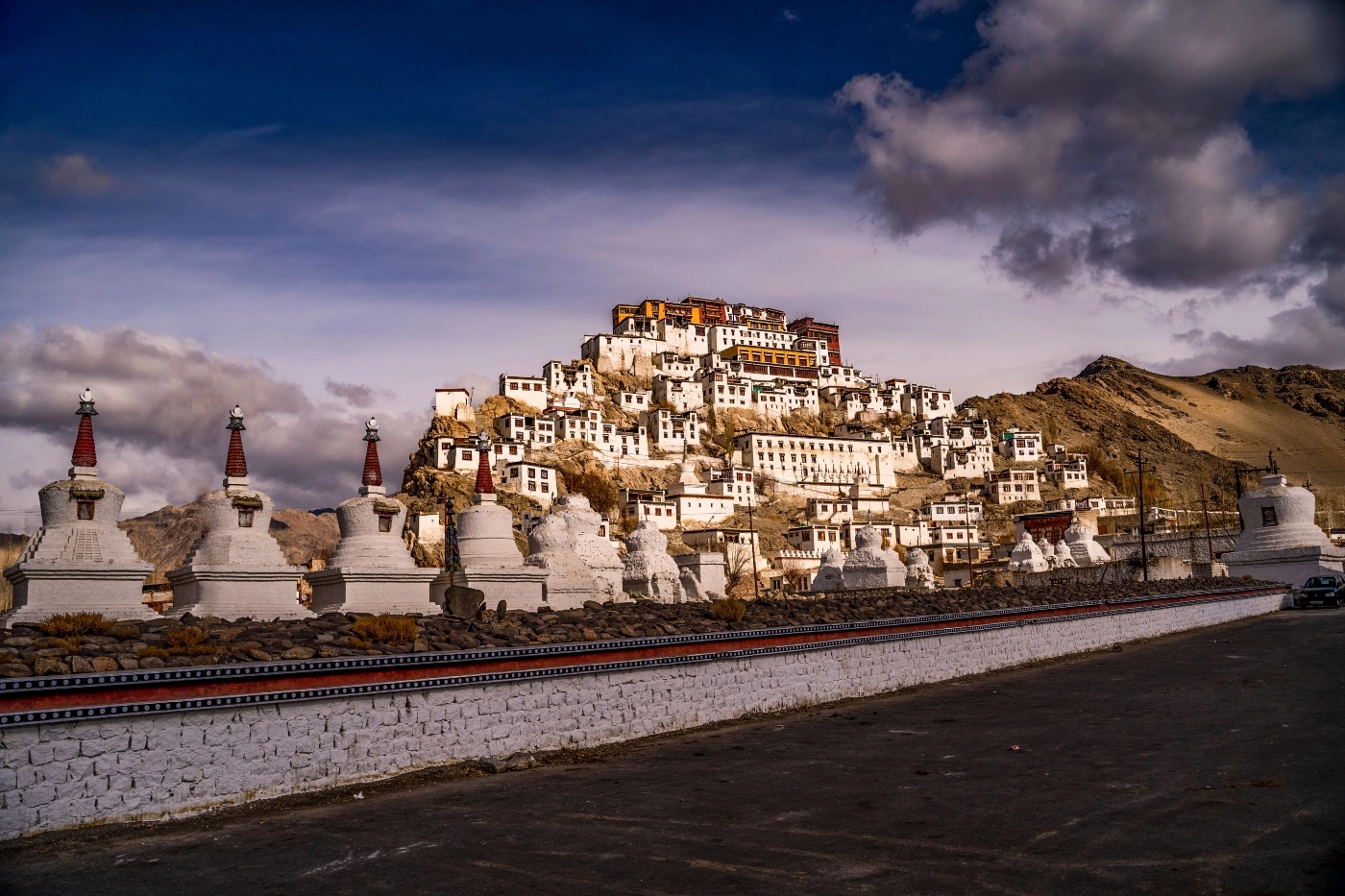
Documents Required for Nepal–Tibet Border Crossing in 2026
The most critical aspect of a Nepal–Tibet trip is getting the papers in order. Without the correct documents, or with the wrong ones, you might be denied entry at the border, or not be allowed on a flight to Lhasa or be denied a visa in Kathmandu. This is a list of all the necessary documents and where they can be obtained.
- Valid Passport – Must be valid for 6 months after the trip.
- Chinese Visa – Your travel agency in Kathmandu will help you to get this from the Embassy of China, if you don't have one. Budget 3–5 working days. Visa-free entry to China is possible for citizens of certain countries, such as the UK, Canada and Sweden.
- Tibet Travel Permit (TTP) – This is issued by the Tibet Tourism Bureau and can be obtained from your licensed travel agency. This is the most important document to enter Tibet. Your guide has the original with him/her and presents it at checkpoints during your trip.
- Most of the countries can get a visa on arrival at Kathmandu's Tribhuvan International Airport, Nepal. The single-entry visa for 30 days is USD 30, and the multi-entry visa for 30 days is USD 50. Indian citizens are not required to obtain a visa.
Apart from the TTP, tourists are also required to have an Aliens' Travel Permit (PSB Permit) to visit remote regions such as Mount Kailash, Lake Mansarovar or the Ngari Prefecture. Your agency is also responsible for these applications!
How to Get a Tibet Travel Permit in 2026
The Tibet Travel Permit is the foundation and main document of a trip to the Tibet Autonomous Region, and stands out from most travel permits in the world. You can't ask for it, walk into an office to get it, and it won't be there until you meet your Tibetan guide in person. By learning exactly how the process works and what can be a hindrance to it, you can plan with confidence.
Who Issues the Permit?
The Tibet Travel Permit is provided by the Tibet Tourism Bureau (TTB) in Lhasa. It is not available for individual application; only licensed Tibetan travel agencies are allowed to apply for the permits for a traveler.
Processing Time
Normally, processing will take place after about 10 working days from submission. Some agencies will provide expedited services, but apply 2-3 weeks before your departure date, being conservative.
Required Documents
Your agency requires a copy of your passport and Chinese visa (if applicable) to be passed on to them for scanning. In the event that you're coming from Nepal and have not obtained a Chinese visa, the agency will arrange for the visa application to be submitted in conjunction with the permit application.
Cost and Application Process
The Tibet Travel Permit is not charged; many tour agencies provide it in a tour package. However, extra permits (restricted area PSB Permit, Border Permit for areas close to Nepal) are available for a different fee. When booking your tour, always ask about its inclusions.
Common Reasons for Permit Delays
Normally, delays are observed during the Tibetan national festivals, politically sensitive dates or restricted access days in the TAR. When hiring a company that is well-established and experienced, the danger of delays is greatly lowered.
Step-by-Step Guide to Crossing the Nepal–Tibet Border
When you're at a distant crossing point in the Himalayas with a pile of paperwork, you don't want to have any doubts about what to expect. This is an easy-to-understand guide that takes you from your Kathmandu hotel to the first point within Tibet.
- Before Leaving Kathmandu: You have confirmed that you have a Chinese application for your Tibet Travel Permit, that your finished application is underway, and that you've booked your departure date with your Tibetan guide before you leave Kathmandu. Please arrive in Kathmandu at least 5 working days prior to the departure for Tibet for visa processing.
- Reaching the Border: Your guide or driver will pick you up early in the morning from your hotel in Kathmandu and take you to the border. It should take about 7 hours to reach the border. Pack snacks, water and layers; Mountain weather is unpredictable.
- Nepal Immigration Procedures: Do the exit procedures at Nepal Immigration in Rasuwagadhi. A passport must be carried, and a proper visa exit stamp is needed in Nepal.
- Chinese Immigration Procedures: Pass your passport and Chinese visa (or visa-free authorization) after you cross the Friendship Bridge, and await your guide, who will hand you your Tibet Travel Permit. Customs inspection is comprehensive; don't bring anything that is prohibited by the customs laws of the People's Republic of China.
- Meeting Your Tibetan Guide: The guide will meet you on the Chinese side of the border with your original Tibet Travel Permit. After that, there is a legal obligation for your guide to accompany you in Tibet.
- Continuing to Gyirong Town or Lhasa: Most groups will stay at Gyirong Town the first night for acclimatization before moving on to Tingri and Everest Base Camp on the next day.
Nepal to Tibet Travel Costs in 2026
The planning of a budget for the Nepal-Tibet journey is a bit difficult as it covers two countries and two visa systems, and also the various permit fees applicable to different nationalities. If you're on a budget, then this breakdown will let you know if this is the most affordable way to travel overland, or if you want a guided experience that's a bit more expensive, you'll know exactly what to expect.
There is a wide variation in price depending on group size, season and tour operator. The costs listed are typical and usually cover permits, licensed guides, private vehicle, accommodations and most meals.
Expense | Approximate Cost |
| Chinese Visa (standard nationalities) | USD 85 |
| Chinese Visa (US citizens) | USD 175 |
| Chinese Visa (Canadian citizens) | USD 155 |
| Nepal Visa (30-day, on arrival) | USD 30–50 |
| Tibet Travel Permit | Free (via agency) |
| 8-day overland tour (Kathmandu to Lhasa) | USD 1,100–1,500 per person |
| 7-day Tibet to Kathmandu overland tour | From USD 990 per person |
| Mount Kailash overland tour (from Kathmandu) | From USD 2,300 |
| Flight Kathmandu to Lhasa (Himalayan Airlines) | Varies by season |
Essential Travel Tips for Crossing the Nepal–Tibet Border
Whether you are well-organized or not, there are so many things you expect to know about crossing the border into Tibet that you are likely to be surprised by at least some of them. The following tips are based on what travellers have experienced and will help to avoid the most frequent problems on this route.
- Expenses in Tibet have Chinese Yuan (RMB) currency. ATMs can be found in Lhasa, but they are limited along the overland route. The US dollar can be used for visas to Nepal at the airport.
- In Nepal, there are no mobile networks that operate in Tibet. SIM cards for Nepal stop working in Tibet. You can buy Chinese SIMs in Lhasa, but there is a restriction on internet use in Tibet. VPNs are blocked.
- The time difference in Nepal is UTC+5:45, and in Tibet, it is Beijing Standard Time (UTC+8). The time difference works out to 2 hours and 15 minutes, and can be a surprise to travellers.
- Packing Essentials of warm layers (days are colder at high altitudes), Sunscreen (UV radiation is strong at high altitudes), electrolyte packets, and any necessary prescriptions. Due to limited connectivity, it is advisable to bring a map, either in print or offline.
- Diamox (acetazolamide) is a common medicine used to prevent altitude sickness. Please check with your doctor prior to travel. Rise slowly, drink plenty of liquids, refrain from alcoholic beverages during the first few days on the mountain, and don't overlook symptoms such as severe headache, nausea, or dyspnea.
- Travel Insurance makes sure you have coverage for high altitudes, emergency evacuation and trip cancellation. Typically, travel insurance policies do not cover activities in Tibet.
To wrap up, the Nepal–Tibet border crossing in 2026 is more accessible than it has been in years, thanks to the removal of the mandatory Group Visa requirement and the reopening of both Gyirong (with a temporary bridge) and Zhangmu. That said, Tibet remains one of the most regulated destinations on earth. The Tibet Travel Permit is non-negotiable, independent travel is not permitted, and weather can disrupt even the best-laid plans.
Ready to explore Tibet from Nepal?
Let Nepal Vision Treks handle your permits, transportation, and travel arrangements for a seamless journey across the Himalayas. Contact us today and start planning your Tibet adventure.
FAQS