Nepal vision | 03/07/2026
The Pikey Peak Trek is one of the most satisfying short hikes in Nepal, with panoramic views of Everest, Makalu, Lhotse, and Kanchenjunga without the altitude or crowd concerns of the longer routes in the Everest region. The trail can be done at various day-to-day speeds, allowing for a 5, 6, or 7 day trip depending on the amount of time available, as well as the acclimatization chosen by the trekker. The 5 day version is for fit and time-crunched trekkers, the 6 day version is for comfort and efficiency, and the 7 day version provides a cultural dimension and additional rest. All three days are explained in this guide for you to choose from.
Overview of the Pikey Peak Trek
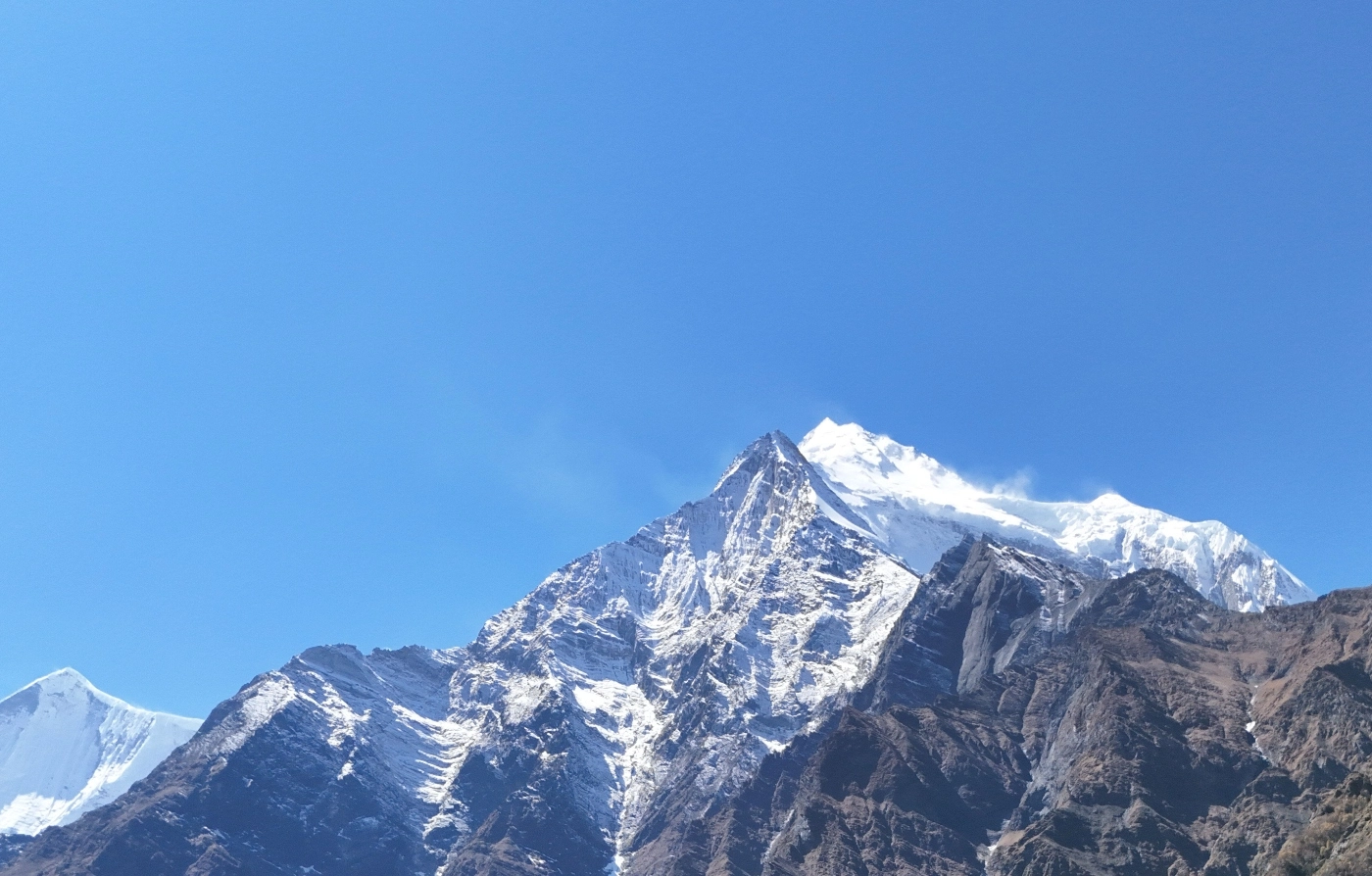
The Pikey Peak is located in the Lower Solu region on the southern fringe of the Everest (Khumbu) region, sometimes referred to as the "place where Sir Edmund Hillary first saw the Everest skyline". The hike is around 30-40km long, with a peak elevation of approximately 4,065m, and the difficulty is rated at moderate and would be suitable for trekkers with moderate fitness and some trekking experience. The best time to visit is in the spring (March – May) or autumn (September – November), but the path is accessible throughout the year. Its highlights include panoramic sunrises over the Himalayas, rhododendron forests, Sherpa villages, and the historic Thupten Chholing Monastery near Junbesi.
5 Day Pikey Peak Trek Itinerary
The 5 day schedule is a good compromise between rest and the length of time spent walking on Pikey Peak. It's ideal for people who are already acclimatized or have excellent fitness, as there is little room for the body to acclimate to altitude.
Day 1: Kathmandu to Dhap Drive and Trek to Jhapre
From Kathmandu, it takes 6-7 hours to drive to Dhap and about 2-3 hours for yet another trek to Jhapre. The forest trail ascends slowly and gradually, rising about 400 m. Stay overnight in a Jhapre teahouse, the first highlight being the views of the mountains.
Day 2: Jhapre to Pikey Base Camp
Moderate 5-6 hour walk with an elevation gain of 700-800m through pine and rhododendron forest covering approximately 12km. The trail is good but may be muddy after the rain. Near Pikey Base Camp overnight, getting first up-close sightings of the Everest range.
Day 3: Pikey Peak Sunrise, Trek to Junbesi
The climb from the base camp to the summit, for Sunrise over Everest, Makalu and Lhotse, is about 1 hour before dawn and returns to Base camp, and on 5–6 hours downhill to Junbesi. Loss of elevation is greater than 1000 m. Overnight stay at Junbesi, the picturesque place in the trek.
Day 4: Junbesi to Phaplu
The walk is fairly easy, approximately 14 km long with gentle ups and downs in the remote farmland and Sherpa settlement of Phaplu, 4-5 hours in total. The trails are kept in good condition. Overnight accommodation in Phaplu with the possibility to relax before the journey home.
Day 5: Drive Back to Kathmandu
The final day is a 7-8 hour drive from Phaplu to Kathmandu, where you will break for lunch on the way and breakfast the morning before you drive off.
6 Day Pikey Peak Trek Itinerary
The core route is the same in both, but the 6 day route is spread over an additional day to include more time to acclimatize, relax, and explore the villages while providing a more relaxed pace.
Day 1: Kathmandu to Dhap
It takes about 6-7 hours to drive from Kathmandu to Dhap, and an overnight stay should be taken in Dhap and not on the same day at Jhapre.
Day 2: Dhap to Jhapre
A walk of 3-4 hours to Jhapre is more pleasant as it lets one get used to the trek before the serious climbing starts.
Day 3: Jhapre to Pikey Base Camp
This is a 5-6 hour day where, like the 5 day route, there is a gain of 700-800m, but with the earlier rest, the trekkers are not as fatigued.
Day 4: Pikey Peak Sunrise to Junbesi
The ascent to the sunrise summit and return to Junbesi are the same as that of the 5 day ascent, but it is a more manageable section of the route because of the earlier rest day.
Day 5: Junbesi to Phaplu
The walk is easy and scenic, on a route similar to Day 4 of the 5 day walk, to Sherpa villages.
Day 6: Drive to Kathmandu
The trek continues on the return journey to Kathmandu, helped by one additional acclimatization day at the start of the trip.
7 Day Pikey Peak Trek Itinerary
The 7 day itinerary is the least intense alternative, and includes a dedicated Junbesi exploration day. Perfect for first-time trekkers, for anyone looking for a more immersive cultural experience, and for photographers seeking time at stunning sightseeing locations.
Day 1: Kathmandu to Dhap
This is the same as the 6 day plan, except that there is a complete overnight at Dhap before the trek starts.
Day 2: Dhap to Jhapre
A quick and gentle day that doesn't get going too fast.
Day 3: Jhapre to Pikey Base Camp
The day of the main climbing, the same length as the other routes, but done differently.
Day 4: Pikey Peak and Trek to Junbesi
Sunset was made over the summit with time to rest before descending back to Junbesi.
Day 5: Explore Junbesi and Visit Thupten Chholing Monastery
Take a cultural day to explore one of the largest Tibetan Buddhist monasteries in the region, the village, and get to know the Sherpa families.
Day 6: Junbesi to Phaplu
A leisurely walk to Phaplu, plus opportunities for some photography en route.
Day 7: Drive Back to Kathmandu
The drive back to the summit marked the end of a walk that was a perfect mix of summit peaks and a cultural experience at a leisurely pace.
Which Pikey Peak Trek Itinerary Should You Choose?
No two travelers' itineraries are alike, so it's more important to choose the one that is the best fit for you than to simply pick the "best" on paper.
Choose the 5 Day Trek If
A few days left on vacation, good fitness, and prior experience hiking at higher altitudes.
Choose the 6 Day Trek If
You have a well-rounded trip, a leisurely tempo, and just some moderate fitness.
Choose the 7 Day Trek If
You are doing your first trek in the Himalayas, and you are a culture lover or need more acclimatization days.
Daily Trekking Distance and Walking Hours
This table summarizes the core route shared by all three itineraries, showing how distance and altitude build day by day.
Day | Route | Distance | Walking Hours | Overnight Altitude |
| 1 | Kathmandu–Dhap | Drive | 6–7 hrs | 2,400 m |
| 2 | Dhap–Jhapre | 8 km | 3–4 hrs | 2,700 m |
| 3 | Jhapre–Pikey Base Camp | 12 km | 5–6 hrs | 3,600 m |
| 4 | Pikey Summit–Junbesi | 14 km | 6–7 hrs | 2,700 m |
| 5 | Junbesi–Phaplu | 14 km | 4–5 hrs | 2,400 m |
| 6 | Phaplu–Kathmandu | Drive | 7–8 hrs | — |
Best Time for Each Itinerary
Trail conditions, views, and the number of people vary with the season, so select an itinerary that matches the season.
Spring
The mild weather, clear mountain views, and rhododendron forests that bloom along the lower trail make it a great time to be on the trail in March, April, and May.
Autumn
September to November is the best time to visit Everest with good weather conditions and a great view of Everest and the surrounding summits.
Winter
Summit snow is possible during December-February, and this period is also colder with fewer trekkers and quieter teahouses.
Monsoon
The least favorable season is June-July-August, when the muddy trails, the presence of leeches at lower elevations, and the lower visibility make this period the worst.
Packing for Pikey Peak Trek
Packing is just as important as picking the right route to the mountain top, as the morning of the summit is at sub-zero temps even in the spring and fall. Clothing in layers, a warm down jacket, a pre-dawn headlamp for up to the summit, trekking poles for the steep descents, and a four-season sleeping bag if the teahouse blankets are not warm enough.
A simple first aid kit, water purification tablets or filter, sun protection, and a power bank are also useful items to carry, as the power may be limited, or there may be a small charge for it in the remote lodge. Compared to the main trail of Everest, teahouses on Pikey Peak are simpler, so guests should be humble about the range and quality of foods offered and hot showers, as well.
Cost and Budget Considerations
The main benefit of the Pikey Peak Trek over other trails in the Everest region is the savings on honeymoon packages. Since most tours start from Kathmandu to Jiri or Shivalaya by road instead of the more costly flights to Lukla, travelers can save a lot of money on the transport alone. There are also teahouse accommodations along the way, which are basic, simple, and affordable, with reasonably priced food and drink as compared to the high cost of the main Everest Base Camp trail.
For budget travelers, permit fees, a guide or porter (if hired), transport to and from the trailhead, and a generous allowance for meals and snacks should be added. In general, the 5 day, 6 day, and 7 day options are still some of the more budget-friendly options for getting to experience the true Everest scenery without the two-week hike or the high price tag of a mountain flight.
Accommodation and Food Along the Trail
Stations on the Pikey Peak trail are small, family-owned, twin rooms with shared bathrooms and scrumptious, daily-made meals. The staple Nepali dish of lentils, rice, and vegetables, also known as dal bhat, is the most dependable and satisfying food at just about every stop, and it is a comforting staple for many trekkers.
Noodle soups, fried rice, potato dishes, and plain pasta are other popular menu options, as are hot drinks such as ginger tea, lemon tea, and coffee to stave off the cold mornings. This route is less popular with foreigners than the high-traffic one to the Everest Valley, and you can have more intimate and in-depth interactions with the local hosts than on a more crowded path, gaining a better understanding of Sherpa and Rai mountain life.
To wrap up, the Pikey Peak Trek is one of Nepal's hidden gems: A short yet achievable trip offering views of the Everest region without the crowds, price tags, or high altitude risks of the classic Base Camp Trek. With five days or a full week, this tweeter plan can give you an honest idea of what to do and expect when planning a trek where you may get that once-in-a-lifetime sunrise that Hillary was so impressed with. Pack it like a pro; the time of the year is crucial, and, if you're feeling adventurous, travel with a local guide to make the best of this little-known jewel of the Himalayas.
Ready to experience the breathtaking sunrise from Pikey Peak? Book your trek with Nepal Vision Treks and start planning your Himalayan adventure today.
FAQS