Nepal vision | 08/06/2026
Whether you have a chronic condition or not, if Nepal is on your bucket list, you've likely spent hours wondering if it's too difficult to visit with a condition such as diabetes, asthma, or a heart issue. The brief answer, provided by trekking guides, travel medicine physicians, and seasoned trekkers, is: "No, not necessarily.
The extended answer: The Himalayas are not kind to those who aren't well-prepared. At heights over 2,500 metres, your body is working more efficiently at lower oxygen levels. Your heart rate increases. Your lungs take in a higher number of breaths per minute. Any underlying health issue that impacts your cardiovascular or respiratory system suddenly becomes very relevant when it comes to stress.
The positive side of the story is that thousands of trekkers with well-managed chronic illnesses undertake Himalayan treks annually, safely, by taking all the necessary precautions, selecting the right trip, and consulting with their physicians.
This guide gives you all the information you need to know: how each condition will be influenced by altitude, what to carry in the medical kit, what treks are feasible, and when to turn back.
What Happens to Your Body Above 2,500 Metres
It is important to recognize what happens to all humans at high altitude before getting into the specifics of what happens to a healthy person.
The higher you go, the lower the air pressure. The amount of oxygen molecules in the air remains at 21%, but the molecules are more spread out. At Everest Base Camp (5,364m), you are only getting about half the amount of oxygen you would at sea level. Your body makes up for this by breathing faster, your heart rate will go up, and your red blood cells will begin to increase in number, but it takes a while. Make the hike too fast, and you may get Acute Mountain Sickness (AMS) with symptoms including headaches, nausea, fatigue and dizziness.
Even healthy people have measurable changes in their CGM metrics on ascent through the Khumbu Valley of Nepal, as reported in the study published in High Altitude Medicine & Biology (2025). The effects on chronic conditions are magnified, not because the mountain treats them differently, but because the way they are functioning means that they need more care.
A study published in High Altitude Medicine & Biology (2025) tracked trekkers ascending through Nepal's Khumbu Valley and found that almost 45% of the trekkers on the Everest trek were already suffering from any disease, and the majority of them were cardiovascular or orthopaedic. Nevertheless, no cardiovascular emergencies were documented over the course of the study, which is a testament to the fact that pre-existing problems, if managed properly, do not necessarily constitute disaster on the trail.
Trekking in Nepal with Diabetes
There are several overlapping factors of how altitude affects glucose management, and if you have diabetes (Type 1 or Type 2), you should know them all before you reach the trail.
Let's start by saying that walking burns a lot more calories than doing everyday activities. You're exercising at a leisurely rate for 6-8 hours a day, on unsteady surfaces. This helps to decrease the amount of insulin needed, and so your blood sugar will fall faster than you think. One trekker documented their EBC experience through a PMC-published personal account that the breakfast-to-lunch time difference was unpredictable even in the first week of EBC, and that physical activity (walking) kept their blood sugar steady, instead of going up as it would at a desk job, meaning he was constantly adjusting their insulin doses.
Secondly, stress hormones such as cortisol, which are secreted during periods of altitude changes, cold, and exercise, can increase blood sugar without eating. This means managing the condition on two fronts, trying to avoid the low blood sugar levels that occur during exercise, and the high blood sugar levels that can be caused by stress hormones.
Thirdly and importantly, the symptoms of hypoglycaemia (shakiness, confusion, sweating, rapid heart rate) are very similar to the symptoms of AMS. At times, it is easy to mix them up on the trail, and they can be confused for one another, which can be dangerous.
Lastly, storage at colder temperatures is crucial for insulin. Insulin breaks down when exposed to too much heat or when frozen, and a glucometer or the test strips can malfunction when temperatures dip below freezing. A lot of trekkers pack insulin very close to their body while sleeping, in a sleeping bag against their body to keep it above freezing.
Essential Diabetes Packing List
| Item | Recommended Quantity |
| Insulin | 2–3x your normal supply |
| Glucose tablets or gels | Multiple packs |
| Glucometer | 1 primary + 1 backup |
| Extra batteries | Several sets |
| Ketone strips | Sufficient supply |
| Electrolyte sachets | Daily use |
| Snacks for hypoglycaemia | Carried at all times |
So, a skilled trekking operator always recommends taking two or even three times the usual amount of insulin. There are a few pharmacies along the route, and they may not have the insulin brand you need. Have two bags of medicines in case one is lost or damaged.
Signs to look for that will need immediate descent.
- Hypoglycaemia is so bad that it cannot be corrected with glucose.
- If vomiting is persistent and you can't eat or drink.
- Confusion or disorientation
- Fluctuations of glucose that are dangerous and which cannot be stabilised.
- Failing to lower blood ketones with treatment.
Several forum postings from other diabetics hiking up the EBC trail, along with a real trekker's story, all include one cautionary note: "Don't wait to see if anything changes. The conditions get worse at altitude than at sea level.
Trekking in Nepal with Asthma
Many asthmatic trekkers are surprised to learn that the research findings are more positive than they might think.
A study published in the Journal of Asthma reports on 24 patients taking moderate asthma trips up to 6,410 metres in the Tibetan Everest area. Their conclusion? Patients with mild asthma are safe to travel to higher and extreme altitudes. Some of them even demonstrated decreased inflammatory activity, so that they were able to reduce the amount of medication they were taking on the hike. There was a steady drop in oxygen saturation with increased height (as one would expect), but no significant difference was seen between the asthmatic and non-asthmatic trekkers.
However, the study also revealed that some asthmatics are different, and some triggers are present in most studies.
Common Asthma Triggers on Himalayan Trails
The common cause in the Himalayas is cold and dry air. The air of the Himalayas is very dry, especially above 3500 metres, in contrast with the air of the humid lowlands. Large volumes of breathing when exercising can rapidly irritate and constrict the passages. A neck buff or balaclava will make a meaningful difference when it comes to cold mornings and steep climbs.
Affected persons may experience symptoms due to dusty trails, especially in drier areas of the Annapurna Circuit or on the lower approach trail to Everest. It's a good idea to bring along a lightweight dust mask.
URI is a common occurrence at high altitude. Trekkers are susceptible to catching a cold or chest infection from the cold, dry weather, and from the low immune system caused by the physical effort. When it comes to colds, they can rapidly progress to bronchospasm for asthmatic trekkers.
When steep ascents occur, there is less time for your airways to adjust. Slowly rising up is the only protection strategy that works.
The "Khumbu Cough" and How It Differs from Asthma
The Khumbu Cough is a hacking cough that is almost universal amongst all the trekkers in the Everest region. It is due to breathing in a lot of cold, dry air. This can be confusing to those with asthma who are also hiking. This is important because the Khumbu cough is usually dry and tickles the throat, and asthma is accompanied by wheezing and difficulty breathing. The experts of a good Himalayan trekking company say that any respiratory distress should be treated as asthma and should be given a rescue inhaler as prescribed to the patient.
Asthma Medication Checklist
- Rescue inhaler (salbutamol/albuterol): Emergency bronchodilation
- Preventive inhaler (ICS/LABA): Daily airway inflammation control
- Spacer device: Improves medication delivery at altitude
- Oral corticosteroids: For severe attacks, doctor prescribed only
- Antibiotic course: Chest infection management or prevention, only on doctor advice
Best Treks for People with Asthma
Lower risk: Ghorepani Poon Hill trek (~3,200m), Langtang Valley trek, Mardi Himal trek. These are treks where you'll be at a level at which the oxygen level is still lower, but not by a factor of ten, and where the body adjusts more easily.
Uncontrolled asthma: Higher risk treks include the Everest Base Camp Trek (5,364m), Manaslu Circuit (5,160m), and Annapurna Circuit (5,416m via Thorong La). These can be done with moderate and controlled asthma, and with adequate preparation, but not suitable for poorly controlled asthma at sea level.
Trekking in Nepal with a Heart Condition
The guidance needs to be most individualised here. Whereas there is no definitive answer to diabetes and asthma, the answer to heart conditions is a wide spectrum of severity, and the best answer depends on what your cardiologist tells you about your condition.
The cardiovascular risk study from the Solu-Khumbu region revealed that a large percentage of trekkers on the Everest Trek had one or more of the major cardiovascular risk factors. The blood pressure was moderately elevated in hypertensive patients during the trek. None of the emergencies occurred during the study period — but the researchers were careful to point out that adequate, timely cardiac care was not available on the trail, which is why it is so important to be cleared and prepared.
What Altitude Does to Your Cardiovascular System
This is because at higher altitudes there is less oxygen, so your heart has to work harder to make sure that your muscles and organs get enough oxygen. Cardiac workload increases. Blood pressure rises. Even at rest, heart rate rises above 4,000 metres. This is relatively easy to accomplish in a healthy heart. The added strain on the heart may be the last straw when it is already strained by coronary artery disease, a previous heart attack, arrhythmia, or heart valve dysfunction.
A study on microcirculatory mechanisms at high altitude found that acute hypobaric hypoxia induces simultaneous complex adaptation at the cardiovascular, respiratory, and endocrine levels. These changes need to be monitored during the trek for trekkers who have subclinical or known cardiovascular disease.
Conditions Requiring Specialist Approval Before Any Trek
- Coronary artery disease
- A previous heart attack (myocardial infarction)
- Heart failure (all grades)
- Arrhythmias (including AF)
- Significant valve disorders
- Uncontrolled hypertension
Medical condition guides generally advise cardiac trekkers to take all their normal medications – beta-blockers, ACE inhibitors, statins, anticoagulants, etc., and an extra set. In any evacuation for disaster, a detailed medication list in English that is not included with the medications themselves is crucial.
Warning Signs of a Cardiac Emergency on Trail
If you, or anyone in your group, has any of the following symptoms, stop and call for emergency help:
- Chest pain or chest pressure
- Dizziness or confusion.
- Fainting or near-fainting
- Very difficult and unexplained shortness of breath while breathing at rest.
- Palpitations or an irregular heartbeat when not exercising.
- Never wait to determine whether or not symptoms go away at altitude. Get down and call for help to evacuate.
Do not wait to see if symptoms pass at altitude. Descend and call for evacuation.
Medical Preparation: What to Do Before You Travel
Proper medical preparation before traveling helps ensure a safe, healthy, and stress-free journey by reducing health risks and preparing you for unexpected situations.
Schedule a Full Medical Assessment 6–8 Weeks Before Departure
This timeline will provide you with enough time to make meaningful changes. It takes months, not days, to determine the effects of any changes to your medication regimen before you embark on a trek.
When assessing, talk about:
- The exact height and length of time you plan to be out on your excursion.
- If you are considering taking Diamox (acetazolamide) , whether it is right for you, whether it can interact with some diabetes medicines, and whether you should talk to your doctor before taking it.
- Medical plans for emergencies in case of deterioration of condition at altitude
- Travel insurance requirements apply; most travel insurance policies for pre-existing conditions will require documentation of pre-travel medical clearance.
Obtain Written Medical Clearance
Keep a written medical summary (English) containing your diagnoses, medications and doses, allergies, and your doctor's emergency contact. Provide copies to the guide. This document can be life-saving if it is needed for a helicopter evacuation.
Comprehensive Travel Insurance is Non-Negotiable
The cost of helicopter evacuation from EBC or backcountry routes in the Himalayas ranges from USD $3,000 to USD $10,000 or more. Typical travel insurance excludes pre-existing conditions, unless you indicate them before you sign up. Check that emergency helicopter evacuation, hospitalisation in Nepal, and medical repatriation are all covered by your policy and that the policy does not exclude coverage for pre-existing conditions.
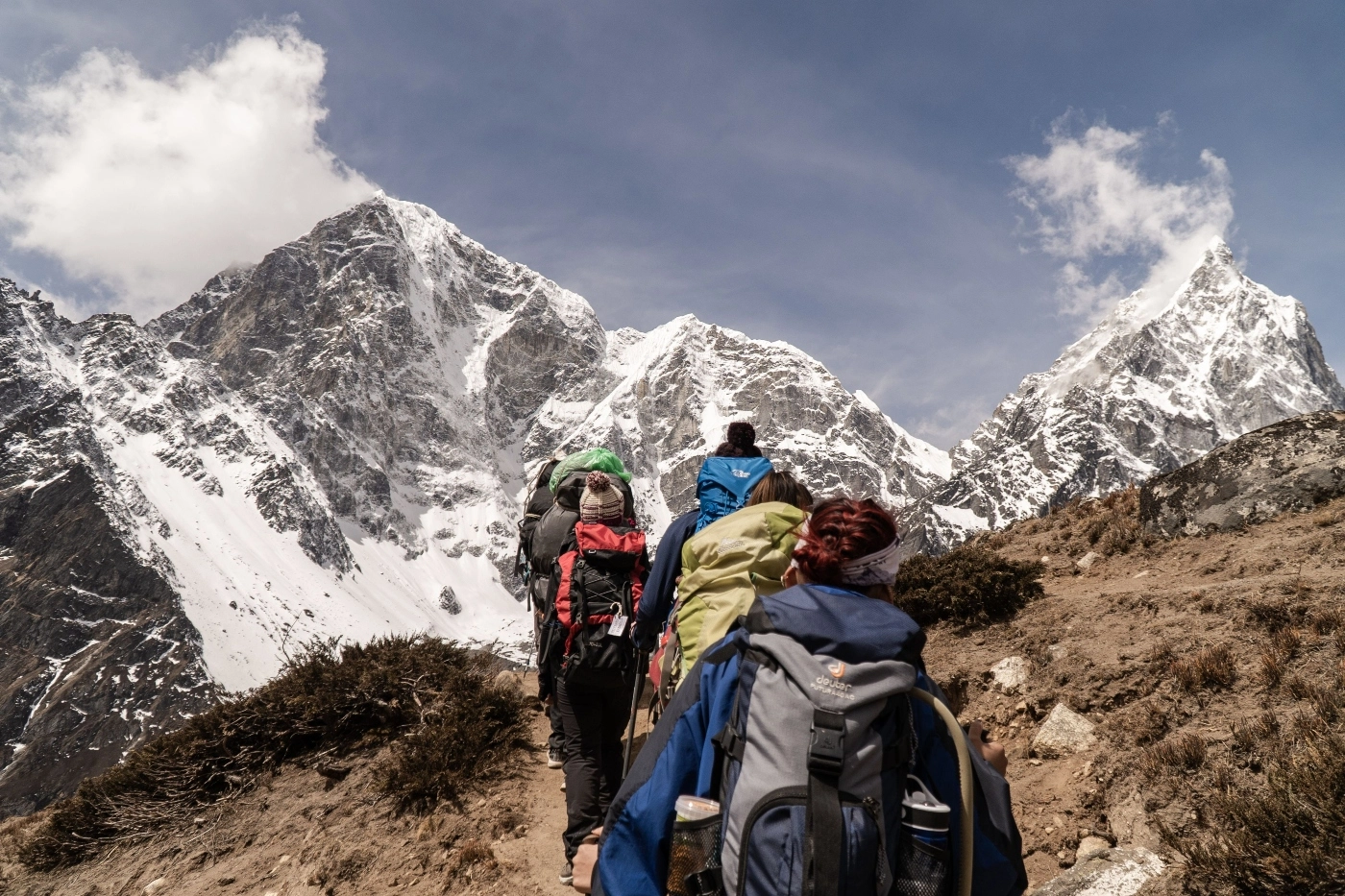
Universal Safety Rules for All Trekkers with Medical Conditions
Follow a slow acclimatisation regime. The basic rule
- Climb high, Sleep low is important for you. Take rest stops at 3,500m and 4,200m, even if you feel well. No one said that feeling good was the same as being acclimatised.
- Never trek alone. It is applicable to all trekkers, but particularly those with chronic conditions. A medical incident on a single section of trail in a remote location can be life-threatening before reaching the team.
- Communicate all of this to your guide. Your first line of response in an emergency is your guide. You should let them know your symptoms, where your medication is, and what to do if you are not able to tell them. The fact that this type of information is kept private to avoid worry is a risk not worth taking.
- Stay hydrated. Dehydration increases blood glucose levels, decreases the effects of medications and increases the difficulty of acclimatisation. Drink three to four litres of water a day at altitude more than you think you need!
- Avoid rapid ascents. The mountain's rewards are not for the ambitious. Several forum accounts from people with long-term health issues all state the same thing: the trekkers who got to their destination were the slow ones who turned back early if necessary.
Emergency Response on the Trail
- Severe hypoglycaemia: Stop immediately, administer glucose, do not continue until stable
- Asthma attack: Use rescue inhaler, rest, protect airways from cold air
- Chest pain: Stop all activity, rest, and initiate emergency evacuation
- Worsening AMS symptoms: Descend at least 500m, do not sleep at the same altitude
- Loss of consciousness: Emergency evacuation, do not delay
Helicopter Evacuation in Nepal
Helicopter rescue service is available in Nepal, and most of the main trekking routes have mobile coverage in the major villages to call for helicopter rescue. But these are all factors that can impact your helicopter turnaround time. This is not a preparation; this is only a last resort. It should be included in your travel insurance.
Best Treks for Trekkers with Medical Conditions
Lower-risk options (max altitude 3,500m or below):
- Pikey Peak Trek is a gem in the Solu area that is a bit less crowded and goes up to about 4,065m, but can be done at your own pace.
- Ghorepani Poon Hill Trek is popular and well supported, with the highest elevation of ~3,200m.
- Langtang Valley Trek is a beautiful and accessible valley at a height of 3800m.
- In the country of Nepal, we went on a more leisurely trek in the Annapurna region (Mardi Himal Trek), which is a bit quieter and at a bit higher elevation.
Treks requiring greater preparation (but achievable with proper clearance):
- This trek is suitable for people who are fit enough, medically cleared, and have a slower pace of at least 14-16 days on the trail to the Everest Base Camp Trek, 5,364m maximum.
- The Manaslu Circuit Trek is a remote trek with limited evacuation facilities, to a maximum altitude of 5160m.
- The Annapurna Circuit Trek is a maximum of 5416m, which is not something that can be avoided, but is manageable with preparation, and via Thorong La.
To wrap up, a chronic illness is not a reason to abandon your Himalayan dream. It is a reason to prepare more carefully than the average trekker to get the right medical clearance, carry the right kit, choose the right itinerary, and work with an experienced guide who understands your needs.
Start with your doctor. Then start with a shorter, lower-altitude trek if this is your first time. Build confidence and understanding of how your body responds to altitude. The Himalayas will still be there when you are ready.
Plan your safe and unforgettable Himalayan journey with Nepal Vision Treks today.
FAQS